

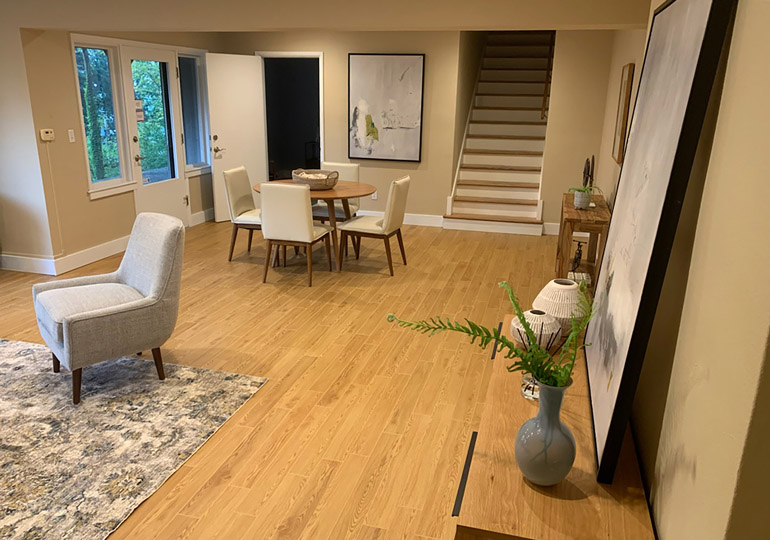
John’s Waterproofing keeps basement living spaces dry and comfortable from the inside out.
It happened a lot during COVID, when people were staying home and found themselves stuck in their spaces. They needed more room: a home office, an extra bedroom, a place for the kids to play off on their own.
So people turned to one specific space in their homes for an answer: their basements.
“A whole lot more home offices started going in, workout spaces, additional play spaces for the kids,” says Jessica Dingle, director of marketing for John’s Waterproofing, a specialist in basement waterproofing, crawl-space encapsulating and similar services for 52 years. “Most of it was just adding extra space for families, to help them utilize square footage that was already there.”
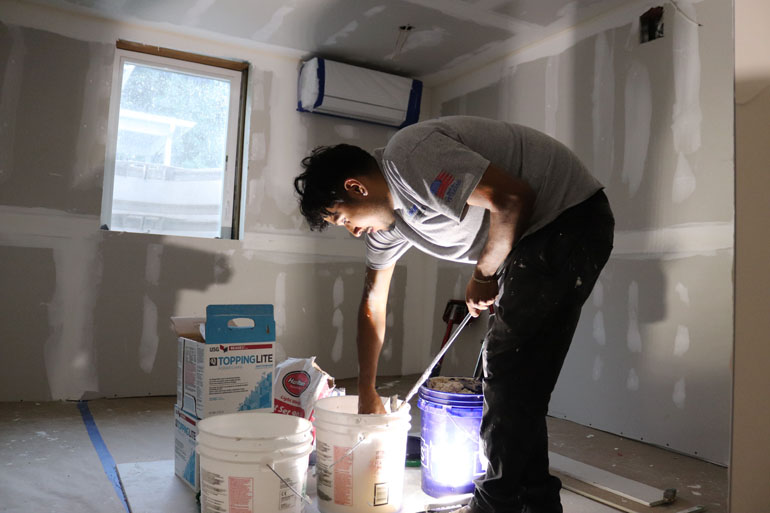
While the extra room gained by converting a basement into livable, useable space can be great, in the soggy Northwest it also comes with a risk: water. So whether that space is finished or unfinished, it needs to be waterproofed.
“If there is a finished basement that’s not waterproofed, it should be, because moisture issues could be causing a lot of issues behind the drywall or under the floor,” Dingle says. “And if you’re going to finish your basement, you should make sure it’s waterproof beforehand, because even if there’s not a water issue now, it’s just a matter of time.”
The main issue with water and basements is that, for starters, there’s simply a lot of water in the Pacific Northwest. Much of that water seeps into the ground and can eventually make its way toward foundations and basements, which are traditionally made of porous concrete.
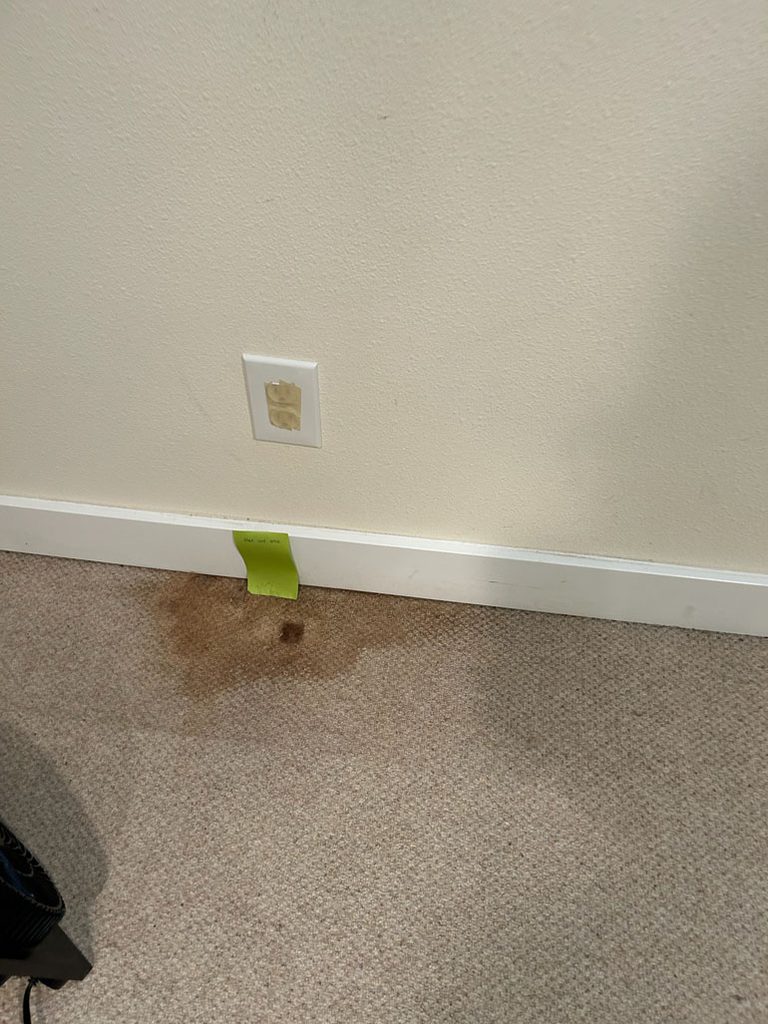
Water issues affecting a previously finished basement.
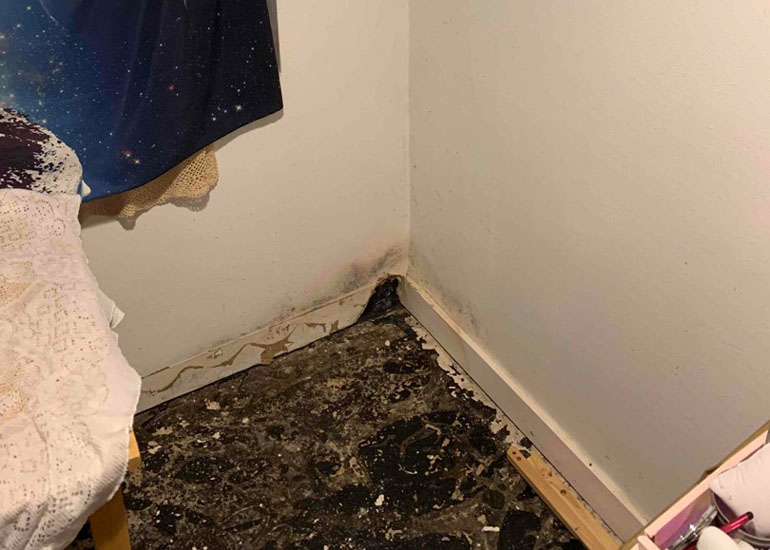
The drywall of a previously finished basement molding from water behind it.
“Water’s persistent, and eventually it’s going to push its way through the walls, and you’ll have moisture coming in,” Dingle says.
Landscaping roots can also cause cracks in foundation walls, as can stability issues, opening the door for water to find its way in. Not only can moisture damage carpet and walls, but it can lead to mold, mildew and allergens that degrade air quality inside a home.
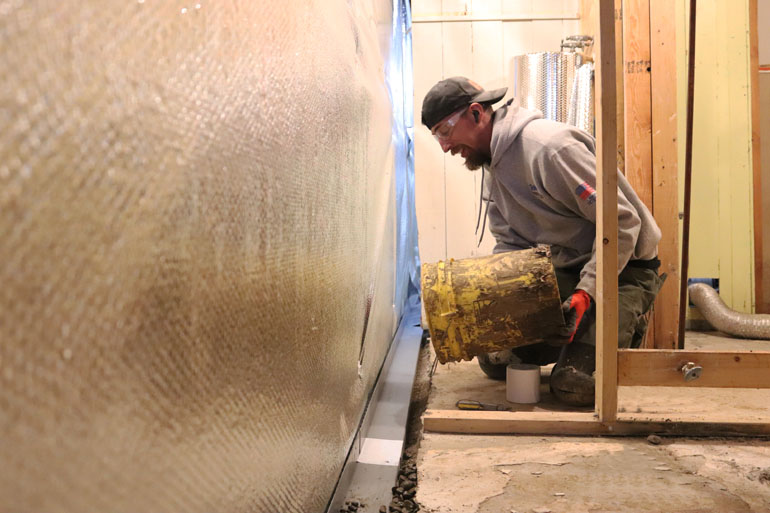
John’s Waterproofing takes an inside approach to waterproofing finished and unfinished basements rather than working from the outside. The latter often requires significant digging and ripping up landscape. Instead, John’s installs a full perimeter drainage system known as WaterGuard from the inside; there’s also a sump pump to ensure that water is moved away from the home. The system includes inspection ports that allow for easy monitoring from inside.
Finished spaces also get a thermal dry radiant vapor barrier on the walls, which creates a thermal brake and also allows moisture from the walls to be guided down to the drainage system.
“It really helps keep the space more comfortable year-round,” Dingle says.
Any below-grade windows, which are notorious for water issues, get their own drainage system. The full system also includes a dehumidifier that helps keep the relative humidity at a healthy range to prevent mold and mildew from taking hold.
Dingle says straightforward projects in small spaces can take just a couple days. More complex ones that require some demo require more time, but because they’re done on the inside, there’s little to no disruption to daily living.
So what’s the key to any basement waterproofing project, whether it’s for a finished or unfinished space? Taking care of it before there are signs of water inside.
“If we can get ahead of it before it gets bad, you’re going to save money,” Dingle says. “We love it when we’re able to be proactive about it and work with homeowners before they see the issue. It makes a big difference.”