

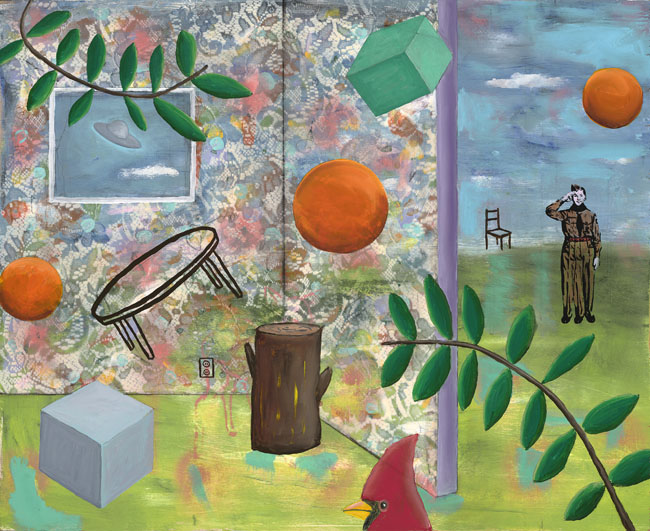
The Psychology of Color & Light
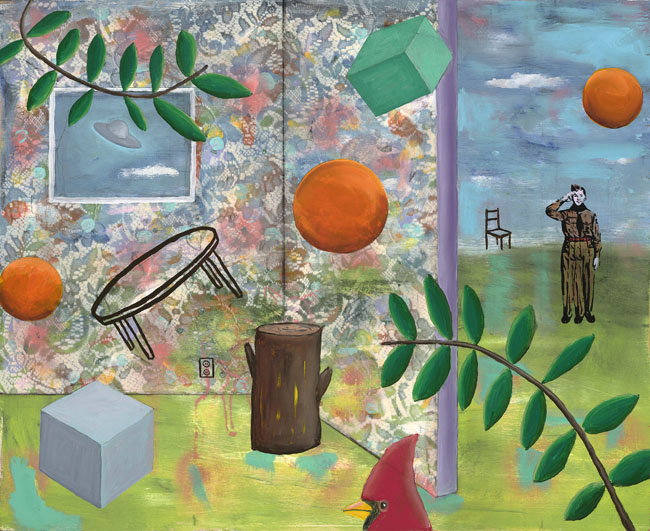 Light and color require balance. Without light there would be no color. Without color our homes would be unbearably bland. It is only because of light encountering an object that we are able to see it. And when we do see that wall or chair or art, it should make us smile. Or, better yet, take our breath away.
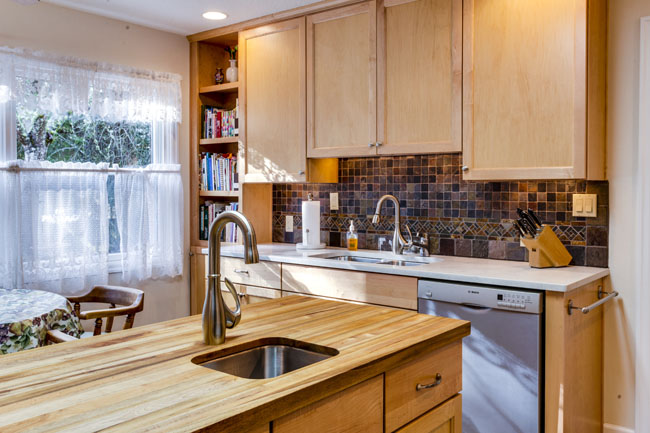 When Beverly Vogt moved into her 50s Ranch home in the southwest Portland Raleigh Hills neighbor- hood in 1972, she wanted to renovate the original galley kitchen that featured fluorescent tube lights and darkly stained, plywood cabinets, as soon as possible. Still, for well over the next three decades, Vogt cooked in the dim, cramped space.
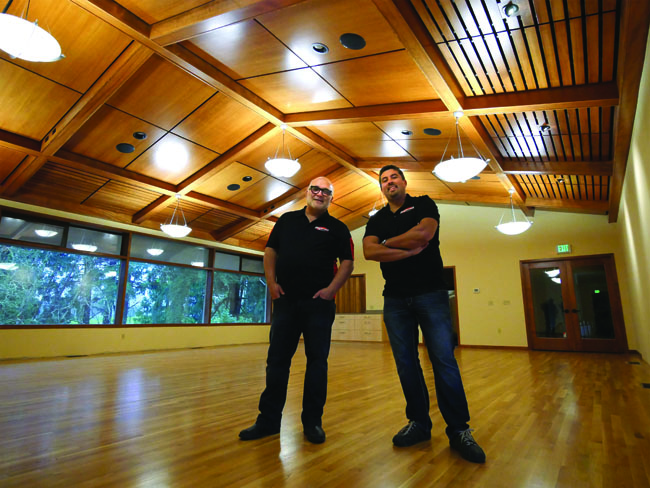 Randy Ramos was the church’s saving grace.
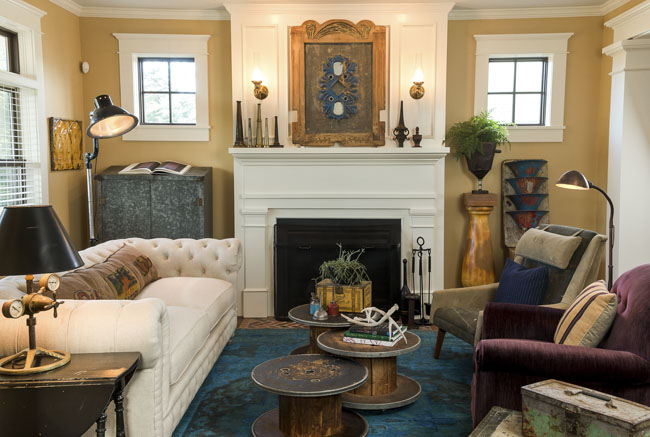 As a contractor who specializes in historic preservation, Andrew Curtis is naturally drawn to homes that come with a good story. So when he first saw the Irvington Heights cottage that he would eventually transform into his home and office, he was more interested in what he was hearing than what he was seeing.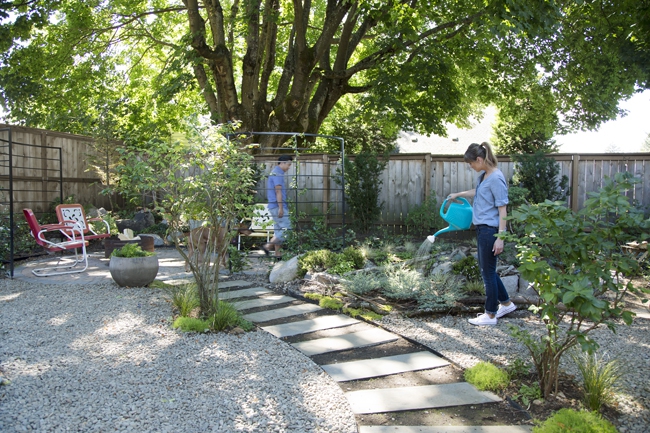
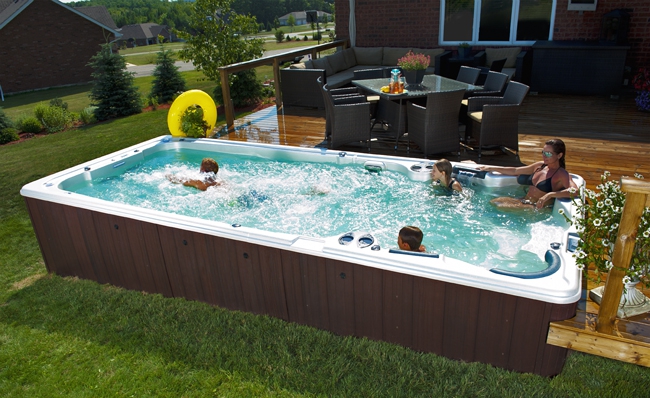
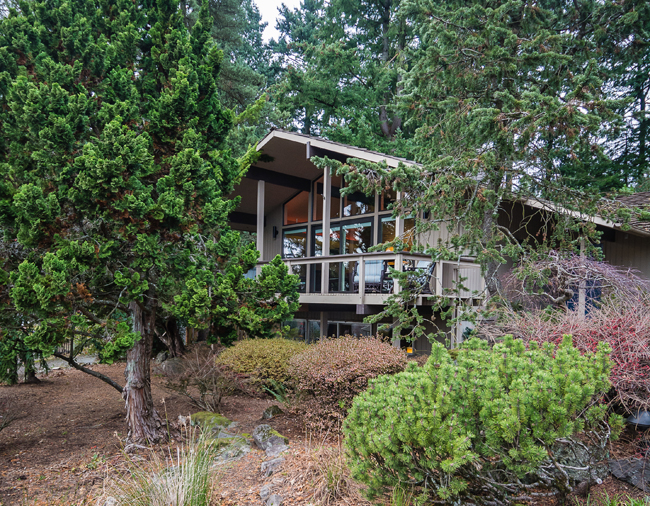 When it comes to energy efficiency, it’s the attention to detail that separates the pale green from the emerald green projects. Marc Hoffman was looking for an emerald green solution. That’s why he wanted Ed Hesse and his firm, Mac-Bo, on the project when he went in search of his dream home.
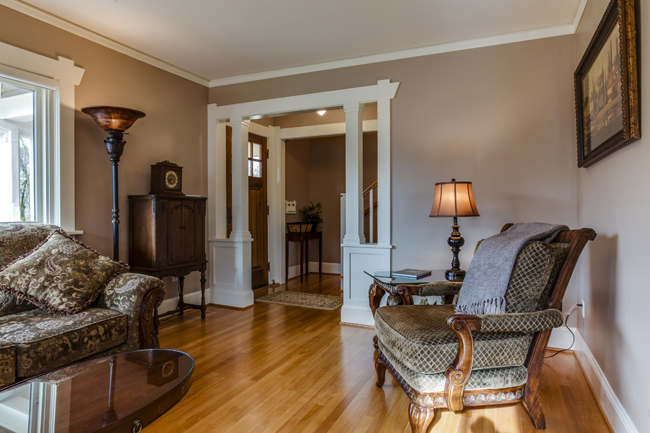 At first glance, some smaller homes seem too cramped for comfort, but with creative collaboration, they can gain a sense of spaciousness and ease. Such was the case with the 1,500-square foot bungalow owned by Scott and Tracey McCulloch.
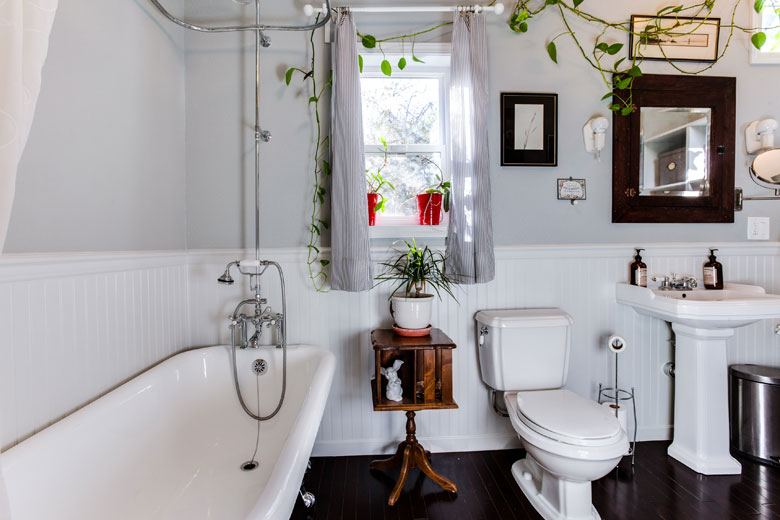 I sometimes hear people say that they don’t use salvage in their design because their style is modern. But as Shannon ably shows with his fine bathroom, a modern look is not an automatic deal-killer for using salvage in the design.
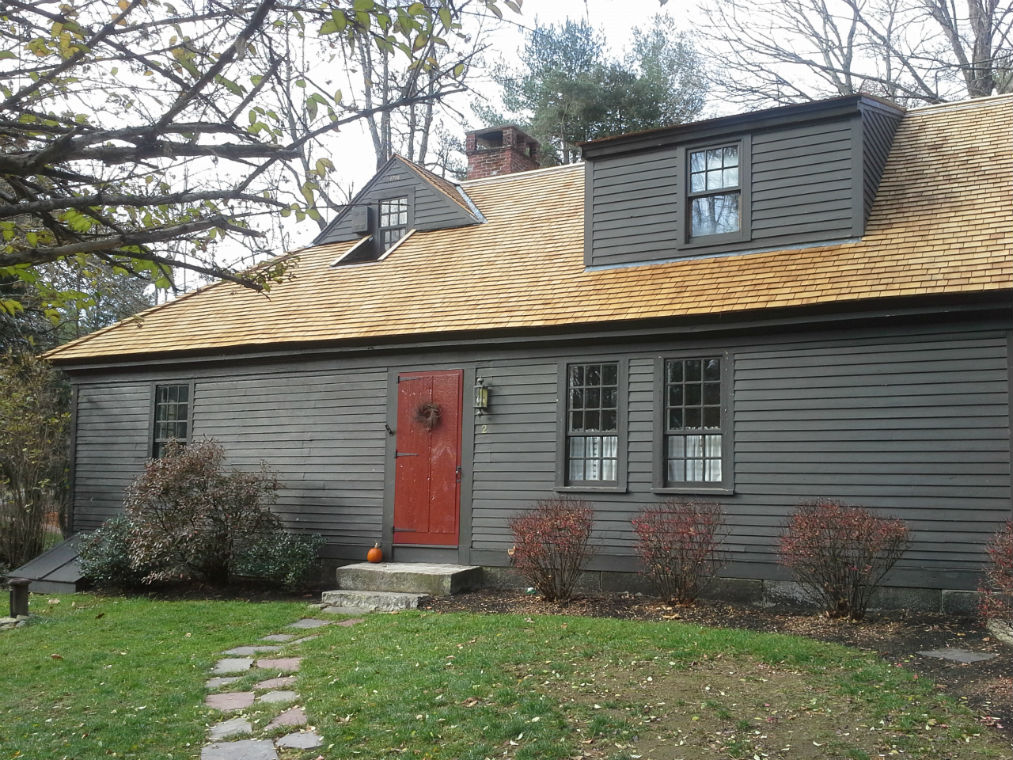 Indow is hosting a webinar on Dec. 3 with author and vintage house expert Gordon Bock who will give information on updating an older house without losing its inherent charm.