
Lighting the Way with Functional Vessels
For glass artist Steven Cornett, function is an important aspect of the creative process. “I got interested in glass when I was a college freshman,” he says. “I was studying art and learning metalworking and sculpture. One day, a friend showed me a blown-glass pitcher that a professor had made. I liked that it was something you could use and that it was art, so I visited a glass class, and I was hooked on glass-blowing.”
THE ART OF THE DRESS
For Mar Goman, art is what you make out of the materials you have at hand. “I call myself a multimedia artist,” she says. “The media itself isn’t as important as what you make out of it. I’ll use found objects, old paper, fabrics and rusty metal. I go to junk shops and antiques shops and even old garbage dumps.”
The Colors of the Columbia
In 1961, when she was 23, Margaret Thierry moved from her hometown of St. Louis, Mo., to New York City, where she discovered she could be an artist. “While waitressing, I made friends with a bunch of artists,” she says. “They were always talking about art, so I started going to museums to see what the big deal was and to be able to contribute to conversations. After a year, I was hooked on art.”
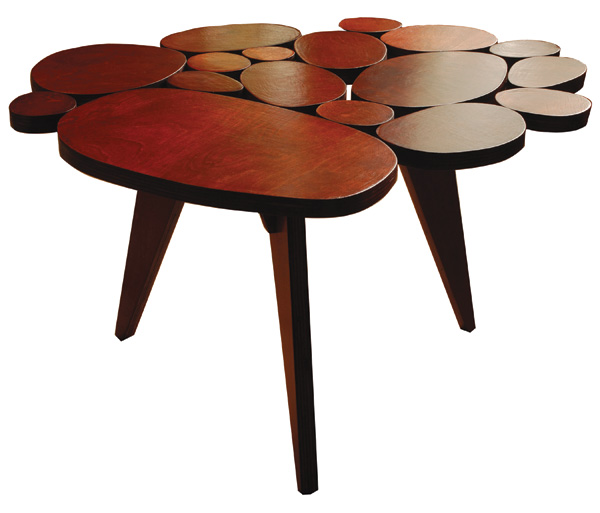
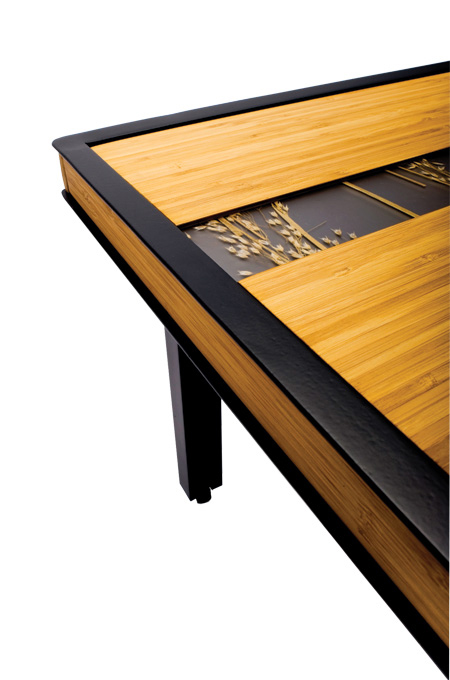
The Character of Wood
After graduating from college, most people try to find a job in their field. Furnituremaker Philip Culbertson took a different route. “I got a degree in behavioral zoology at the University of Michigan in the 1970s,” he says, “but I was tired of using my brain, so I got a job in a cabinet shop outside Washington, D.C., and I stayed there for six years.”
The Anatomy of Art
A childhood dream of becoming an animator led painter Marcus Gannuscio to become interested in learning to draw the human form. “When I was 12, I saw ‘The Lion King’ and decided I wanted to be an animator,” he says. “My mother actually contacted someone at Disney to find out what I’d need to do to become one, and the person’s advice was to concentrate on learning to draw figures and anatomy.”
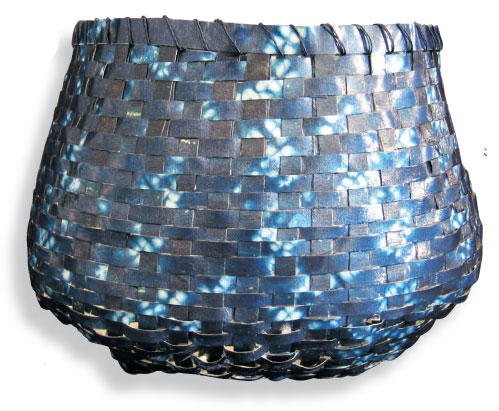
The Tactile Charm Of Baskets
From a very early age, fiber artist Leena Riker has been working with yarn. “I grew up in Finland in an environment where a lot of things were made by hand,” she says. “I was born before World War II, and during the war, we had to be creative about making the things we needed. My mother taught me to sew, knit and crochet when I was 4, and I kept that up.”
Furniture Meets Finishes
As a child, furniture designer and artist Rachel Sanders knew her future lay in creating pieces for interiors. “I was always reassembling my room,” she says. “It was an ongoing project throughout my childhood. Then I’d go around the rest of the house and make sure everything was just so, sometimes to the annoyance of other members of my family.”